Choosing Durable Wool Bedding: A Practical Guide to Longevity and Comfort
In an era of rapid product turnover and mounting waste, enduring comfort comes from choices that marry performance with responsibility. Wool has emerged as a standout material for bedding, delivering temperature regulation, resilience, and a lower environmental footprint when sourced and cared for properly. This guide dives into the durable advantages of wool-based bedding—pillow fills, comforters, and related components—and offers practical insights for selecting, maintaining, and getting the most from these natural options.
Wool as a Durable Foundation for Sleep
When fabric and fill materials are chosen for durability, the sleep experience becomes less about chasing the latest trend and more about consistent, long-term comfort. Wool, a natural fiber with a storied history in textiles, offers several technical benefits that contribute to longevity. Its innate crimp and elasticity help wool fibers resist permanent compression, meaning loft is retained over time more reliably than many synthetic fills. Wool also exhibits moisture-wicking properties that help regulate microclimates around the sleeper, reducing the need for frequent fabric refreshes that can wear out surfaces quickly.
In practical terms, durable wool bedding translates into better resilience of pillows and comforters. A wool-filled pillow tends to maintain supportive loft through a range of sleeping positions, while a wool-filled comforter can provide warmth without relying on heavy layering or synthetic blends. The science behind wool’s durability is matched by a design ethos centered on low-impact processing and responsible sourcing, which aligns with the broader mission of Sustainable Home Goods.
Key Wool Bedding Components: What to Look For
Selecting wool bedding that stands up to years of use involves understanding three core elements: fill quality, shell fabric, and overall construction. Each component contributes to longevity, comfort, and sustainability, and together they determine how a bed performs season after season.
Wool Pillow Fills
A pillow’s performance depends on the balance between fill weight, loft, and fill type. Organic wool batting offers a combination of softness and resilience that supports neck alignment while accommodating varying sleep styles. Look for:
- GOTS-certified or similarly verified organic wool fills that confirm responsible farming and processing practices.
- Filling that retains loft without becoming compact or lumpy after washing or regular use.
- Breathable shell fabrics that complement wool’s moisture management and promote easy care.
Confidence in a wool pillow’s durability also rests on care guidelines. Gentle washing or spot cleaning, avoidance of direct heat, and the use of protective pillow covers help preserve loft and fiber integrity over time.
Wool Comforters
For comforters, wool’s natural insulating properties are a cornerstone of performance. A well-constructed wool comforter can provide warmth that’s both sufficient and breathable, allowing for comfortable temperature regulation across seasons. Key considerations include:
- Fill power and loft: a higher loft often correlates with better insulation and uniform warmth.
- Shell fabric: a durable, low-VOC fabric that cooperates with wool’s natural properties.
- Construction features such as baffled boxes or stitch patterns that prevent fill shifting and cold spots.
When wool is paired with a high-quality organic cotton sateen or similar shell, the result is a durable, easy-care system that reduces the need for frequent replacement and minimizes environmental impact.
Shell Fabrics and Overall Construction
The outer shell of wool bedding serves as the primary interface with the sleeper and the surrounding environment. Natural fibers such as organic cotton provide softness, breathability, and durability, while low-VOC dyes and responsible finishing processes further support long-term use. Durable construction includes reinforced stitching, secure corner tabs for pillow protectors, and careful quilt or stitch patterns that prevent wool from shifting within the shell.
Care Practices That Preserve Loft and Longevity
Proper care is not merely about cleanliness; it is a crucial factor in prolonging the life of wool bedding. Wool fibers, when cared for correctly, resist frequent replacement and maintain performance for years. Practical care strategies include gentle handling, appropriate washing cycles, and mindful storage.
Washing and Drying
Most wool-filled products benefit from washing methods that minimize agitation and heat exposure. When washing is necessary, use mild detergents designed for delicate fabrics and follow the care label instructions. For many wool items, spot cleaning can address most issues without requiring a full wash. If a washing machine is used, a gentle cycle with cold water is typically preferred, and wool-specific detergents help preserve fiber integrity.
Drying should prioritize air circulation and avoidance of direct heat. Lay flat to dry when possible, or use a low-heat tumble setting if the care instructions permit. Wool’s natural resilience is reinforced by proper drying, reducing the risk of matting or flattening.
Storage and Seasonal Transitions
When not in use, store wool bedding in breathable fabric bags or containers that allow air movement while protecting from pests. Cedar or other natural repellents can help deter moths without introducing harsh chemicals. For seasonal transitions, consider layering strategies that allow you to adjust warmth without overburdening the bed with heavy layers.
Practical Guide: How to Choose Wool Bedding for Durability
The following practical framework helps readers evaluate wool bedding options, balancing performance, sustainability, and budget. It draws on the kinds of products associated with trusted brands in the field, including Healthy Choice and Sleep and Beyond, whose offerings emphasize organic wool, natural fibers, and responsible production.
Step 1: Define Your Sleep Climate and Warmth Needs
Start by assessing your climate and personal comfort preferences. Do you sleep hot or cold? Do you require more insulation for winter or a lighter layer for summer? Wool is versatile, but the fill weight, shell fabric, and weave influence how warm or cool your bed feels. A lightweight wool comforter may be ideal for a warm climate or layered bedding, while a higher-loft wool fill can deliver robust warmth for cooler seasons.
Step 2: Vet the Source and Certification
Given the emphasis on sustainability, certification matters. Look for products backed by GOTS or similar standards that confirm organic fiber handling from farm to finish. Wool that comes with transparent sourcing details and third-party certification supports both durability and environmental stewardship.
Step 3: Evaluate Construction Quality
Inspect stitch quality, corner reinforcements, and baffle or grid patterns that prevent shifting. Durable wool bedding often features thoughtful construction designed to keep the fill evenly distributed, which helps maintain loft and warmth across years of use.
Step 4: Consider Care Implications
Durable wool bedding is easier to maintain when paired with appropriate care routines. Favor products with care labels that recommend gentle washing or spot cleaning and advise on drying methods that preserve shape and loft.
A Practical Look at Notable Wool Products
For readers seeking concrete examples, the market offers wool-filled options curated by brands that prioritize organic materials and ethical sourcing. Consider how a pillow with GOTS-certified Argentinian wool fill and a GOTS-certified organic cotton cover performs in daily life. The breathable, hypoallergenic properties of wool can support a healthy sleep environment for a wide range of sleepers.
Additionally, wool-filled comforters that partner organic wool with organic cotton sateen shells can deliver a balanced blend of warmth, softness, and durability. Such combinations align with the broader aim of Sustainable Home Goods: to inform and empower readers to make choices that endure beyond seasonal trends.
Product Spotlight: Healthy Choice and Sleep and Beyond
While considering durable wool bedding, two brands frequently appear in discussions of quality and sustainability: Healthy Choice and Sleep and Beyond. Healthy Choice offers Organic Wool Pillows and Lightweight Organic Wool Comforters that pair natural fills with organic cotton shells, emphasizing low-toxicity finishes and durable construction. Sleep and Beyond focuses on organic cotton sheets and duvet cover sets that complement wool fills with breathable fabrics and responsible manufacturing.
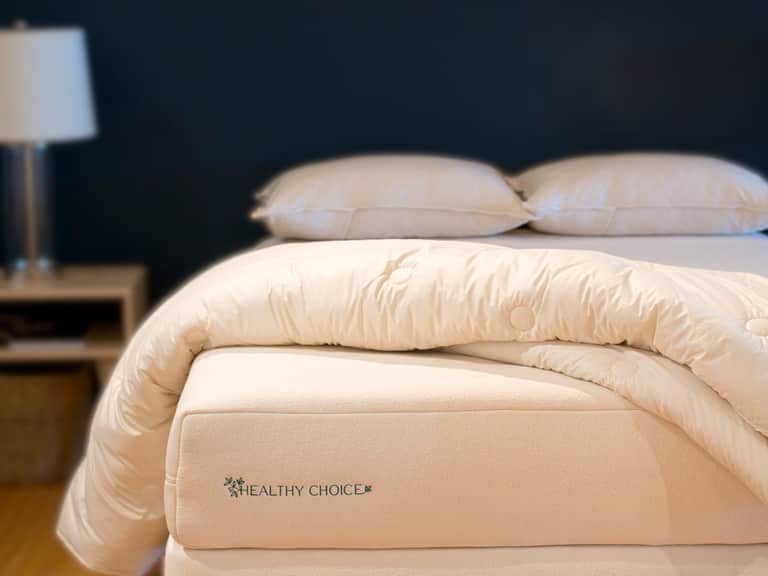
For readers exploring a purchase, the Healthy Choice Organic Wool Pillow presents a direct example of how wool’s loft and breathability can translate to daily comfort. Its combination of GOTS-certified wool fill and GOTS-certified organic cotton cover embodies the ethos of durable, natural bedding. Similarly, the Healthy Choice Lightweight Wool Comforter demonstrates how a lighter weight wool fill, paired with organic cotton sateen, can deliver versatile warmth suitable for varied climates and seasons.
Carefully Pairing Wool with the Sleep System
Durability in wool bedding is most effective when integrated into a holistic sleep system. Pillows, sheets, and comforters should work in concert to maintain a stable microclimate. For example, pairing a wool pillow with a breathable organic cotton sheet set helps manage moisture and temperature, reducing nighttime disruptions and prolonging the life of the components. This approach mirrors the broader philosophy of sustainable home goods: thoughtful combinations that maximize longevity and minimize waste.
Sustainability and Longevity: A Balanced Perspective
Durability is not simply a measure of physical resilience; it is an indicator of environmental stewardship. Wool’s natural origin, combined with responsible processing and certification, offers a compelling case for long-lasting bedding. The goal is not merely to resist wear but to reduce the need for frequent replacements, thereby lowering overall resource consumption. In this context, wool bedding aligns with circular economy principles by prioritizing longevity, repairability, and recyclability.
Conclusion: A Practical Path to Everyday Comfort and Responsibility
The search for durable wool bedding is, at its core, a search for reliable comfort that endures. By focusing on high-quality wool fills, robust shell fabrics, thoughtful construction, and careful care, sleepers can experience the benefits of wool—temperature regulation, loft retention, and a gentler environmental footprint. Brands like Healthy Choice and Sleep and Beyond illustrate how durable wool bedding can be integrated into a broader, information-driven approach to sustainable home goods.
As you embark on building a sleep environment that lasts, remember that durability is as much about informed choices as it is about product performance. With wool, you gain a material that not only supports restful nights but also aligns with ethical sourcing and sustainable practices. The path to longevity in bedding is a journey of mindful selection, careful care, and a commitment to products designed to endure.
Appendix: Selected Wool Bedding Products That Align with Durability Goals
-
Healthy Choice Organic Wool Pillow — A pillow featuring GOTS-certified Argentinian wool fill and a GOTS-certified organic cotton cover. This product is described as anti-microbial, hypo-allergenic, dust-mmite resistant, and durable, available in standard, queen, or king sizes. Link: Healthy Choice Organic Wool Pillow.
-
Healthy Choice Lightweight Organic Wool Comforter — Lightweight wool comforter with organic cotton sateen shell and 150 g/m² wool fill. It is described as chemical-free with a 3-year warranty and multiple dimensions. Link: Healthy Choice Lightweight Wool Comforter.
-
Sleep and Beyond MySheet Set — 300-thread-count cotton sateen sheets, Oeko-Tex certified with durable, double-stitched corners. While not wool-filled, this product complements a wool-based sleep system and supports overall durability in the bedding ensemble. Link: Sleep and Beyond MySheet Set.
-
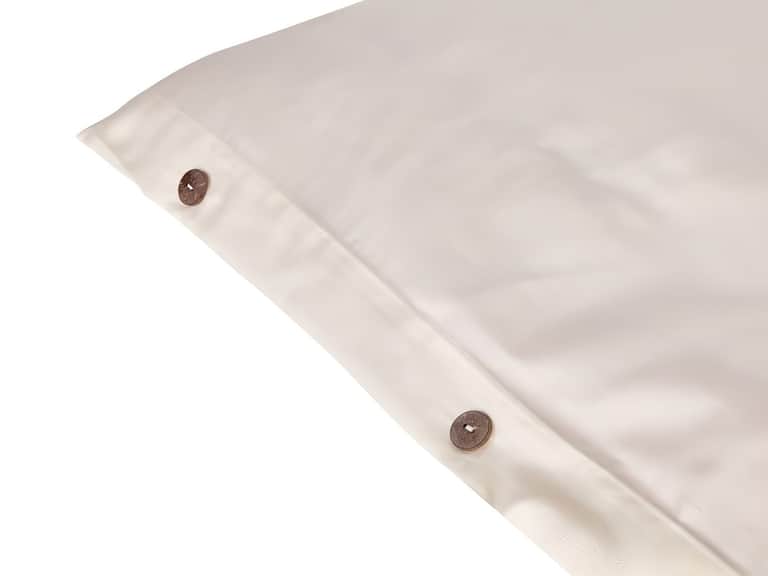
Sleep and Beyond 100% Organic Cotton Sateen Duvet Cover Set — A GOTS-certified organic cotton duvet cover and sham set with no chemical flame retardants, designed for longevity through durable construction. Link: Sleep and Beyond Organic Cotton Duvet Cover Set.
Note: This article emphasizes durable, natural materials and responsible sourcing. It references products and brands that exemplify these values and are aligned with the domain’s informational, non-commercial focus.