Comforters are a key component of a balanced sleep environment, offering warmth without excessive weight and allowing for easy temperature regulation. In sustainable bedding, comforters are often crafted from natural fibers such as organic wool or blends designed to maintain breathability, moisture control, and long-term durability. Understanding fabric composition helps identify products that align with eco-friendly living and hypoallergenic needs.
Organic wool comforters provide excellent insulation while remaining breathable, which supports a stable microclimate through different seasons. The natural temperature-regulating properties of wool help wick moisture away from the body, reducing overheating at night. Sustainable options emphasize responsible wool sourcing and low-impact processing methods to minimize environmental footprint.
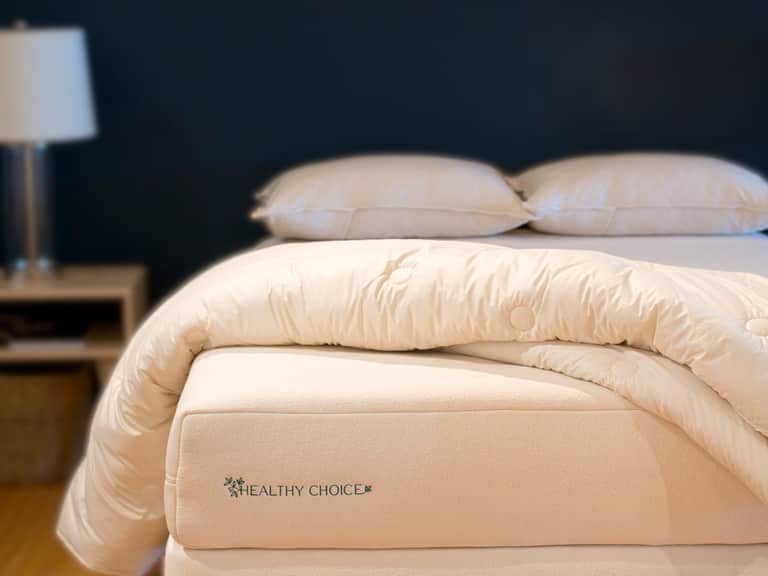
The Healthy Choice Lightweight Organic Wool Comforter exemplifies this balance by combining a light, lofty fill with a durable fabric shell. Such a design delivers warmth during cooler nights without bulk, promoting ease of movement. When evaluating comforters, consider fill power, fabric weave, and the presence of certifications that verify organic and sustainable practices.
Another important feature is fill reliability, as high-quality wool maintains loft and comfort after multiple washes. Look for comforters that use thoughtfully constructed baffles or box stitching to prevent shifting and cold spots. In eco-conscious selections, reclaimed or responsibly sourced wool, along with low-VOC dyes, enhances indoor air quality and overall sustainability.
Overall, wool comforters serve as versatile choices for bedrooms focused on durability, natural warmth, and environmental responsibility. Pairing them with appropriate bedding like organic textiles and breathable pillow materials supports a holistic approach to sleep comfort. Keywords such as bedding, wool comforters, and natural insulation reflect the integration of sustainable design within this category.
 Bedding